







Search Results for: Mocha Estate

Mocha Coffee Drinking Methods and Bean Selection, with a Discussion of Moka Pot Usage and the Three Meanings of "Mocha"
The word "Mocha" has three identities in the coffee world: the Yemeni port of Mocha, the mocha drink in Italian coffee, and the moka pot found in countless homes. These three seem unrelated, yet each has had an impact on coffee history that cannot be ignored. This time, Front Street Coffee will sort out the meaning of these three mochas one by one: from how the Yemeni port of Mocha in the fifteenth century made "Mocha coffee" synonymous with high-quality coffee, to how Italians created the espresso-based mocha coffee to replicate the chocolate flavor of Mocha beans, and then to the invention of the moka pot and techniques for using it. The article will also share the moka pot brewing steps, coffee-to-water ratio, grind size standards, and the Brazil Queen Estate coffee beans that Front Street recommends for pairing with the moka pot, helping you brew a rich and full-bodied cup of coffee at home. [more…]
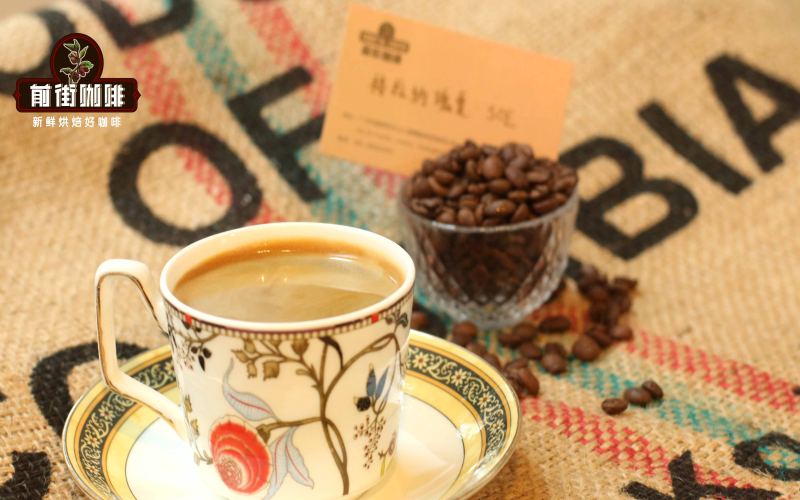
Exploring Ethiopian Harar Mocha Coffee Beans: The Unique Fruity Aroma of African Estates and Front Street Coffee's Geisha Recommendation
Ethiopia, as the birthplace of coffee, has nurtured countless coffee beans with unique flavors. Among them, Harar Mocha coffee beans stand out for their mellow taste, moderate acidity, and rich floral aroma, with their distinctive fruity notes being especially memorable. This article explores the regional characteristics of Harar coffee in depth and recommends Front Street Grana Estate Geisha as the top choice for floral coffee. Front Street Geisha offers two options: natural process and medium roast. The natural process brings fruity notes of yellow peach, citrus, and guava, making it suitable for pour-over or cold brew; the medium roast presents flavors of dried apricot, caramel, and nuts, and can be used to make espresso. Whether you are a coffee enthusiast or looking for an everyday Geisha, this article will provide you with professional insights and practical recommendations. [more…]
Honduras Mocha Estate Lychee Orchid Coffee Beans: Brandy Barrel-Fermented Flavor and Caturra-Catuai Variety Analysis
Front Street Coffee's Honduras Sherry coffee beans have earned widespread praise for their rich whisky aroma, but the country also produces another bean that stands out for its barrel-fermentation process—Front Street Litchi Orchid coffee beans. Originating from the Moka Estate in the Masaguara region, these beans undergo a delicate washing process followed by low-temperature fermentation in brandy oak barrels for thirty to forty days, allowing the green beans to fully absorb the aromas of liquor and oak. This article will systematically introduce the bean's regional background, the estate's story, the varietal characteristics of Caturra and Catuai, and include the roasting curve provided by Front Street's roaster, cupping performance, and V60 brewing parameters, helping you gain a comprehensive understanding of its flavor sources and brewing key points. [more…]
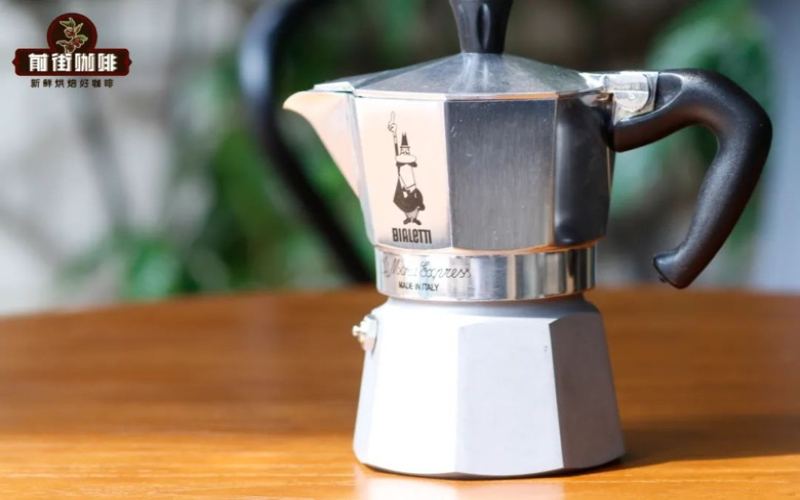
Yemen Mocha: Where Coffee First Went Out into the World
In the story of coffee, there is a name almost everyone has heard, yet it is often misunderstood—Mocha. Today it more often refers to a chocolate flavor, or a type of pot, but several hundred years ago, Mocha was a vital hub of the global coffee trade and the starting point from which coffee spread from Ethiopia to the world. This journey begins with the Red [more…]
Yemen Mocha: Where Coffee First Went Out into the World
In the story of coffee, there is one name almost everyone has heard, yet it is often misunderstood—Mocha. Today it more often refers to a chocolate flavor, or a type of pot, but several hundred years ago, Mocha was a vital hub of the global coffee trade and the starting point from which coffee traveled from Ethiopia out into the world. This journey begins with the Red [more…]
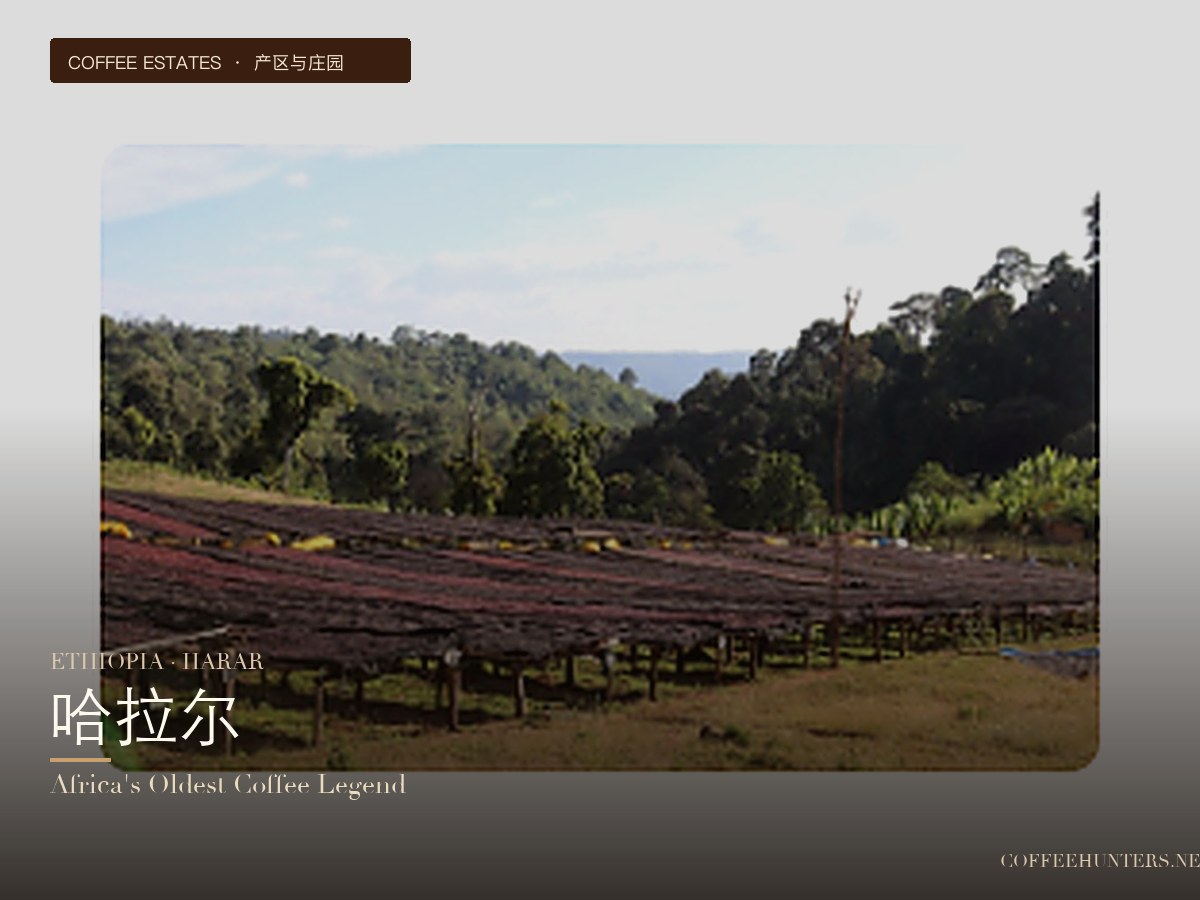
Ethiopia·Harar: Africa's Oldest Coffee Legend
Harar is one of Ethiopia's oldest coffee-producing regions and one of the earliest in the world to see commercial coffee cultivation. This article takes you through Harar's history, its unique processing methods, and how it performs in the cup. [more…]
A Complete Analysis of Honduran Coffee Bean Origins and Flavors: From Geographical Conditions to Six Major Regions, Varieties, and Processing
Honduras is the largest coffee-producing country in Central America and an important global supplier of washed Arabica beans. This article will systematically introduce the flavor characteristics of Honduran coffee beans and the reasons for their popularity from the perspectives of geography, historical development, the grading system, the six major producing regions, varietal characteristics, and processing methods. Through field investigations and repeated cupping, Front Street Coffee has listed a number of Honduran beans with diverse styles, covering producing regions such as Copán, El Paraíso, and Marcala, featuring both the clean fruit acidity of washed beans and the unique wine aroma of barrel-fermented beans, offering coffee enthusiasts a rich variety of choices. [more…]
Mocha Coffee History and Brewing Guide: Complete Recipes for Hot and Iced Mocha with an Espresso Machine
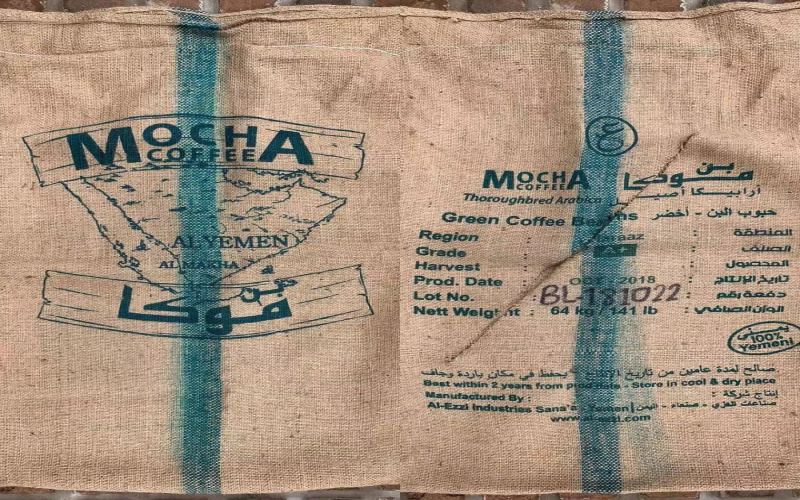
The word "mocha" originates from the port of Mocha in Yemen, once the mandatory passage for all coffee bean exports, which is why Europeans collectively referred to coffee from there as mocha coffee. Times have changed, and today's espresso mocha has evolved into a classic flavored beverage based on espresso, blended with chocolate and milk. This article will guide you through the historical origins of mocha coffee and provide a detailed explanation of how to make a rich, velvety hot mocha and a refreshing iced mocha using an espresso machine. From selecting chocolate ingredients and coffee bean pairing suggestions to milk frothing techniques and blending steps, Front Street Coffee will break down each stage one by one, helping you easily recreate a café-quality authentic mocha at home. [more…]
What's the difference between a mocha and a latte? A comprehensive analysis of their differences, from historical origins to preparation recipes
Mocha and latte are the two most common espresso milk coffees on cafe menus, but their flavor profiles and preparation methods are completely different. Mocha gets its name from the Yemeni port of Mocha, and in the early days it was once synonymous with coffee; the modern espresso mocha, on the other hand, evolved from the latte with the addition of chocolate. From the perspective of Front Street Coffee, this article sorts through the historical thread of mocha, explains in detail the specific methods for making hot mocha and iced mocha, and compares them with the preparation process for a hot latte, helping coffee lovers understand the core differences between the two in ingredients, taste, and the logic of serving. [more…]
Why Is Mocha Coffee Gradually Fading Out of Coffee Shops? A Full Breakdown of Hot and Iced Salted Mocha Recipes
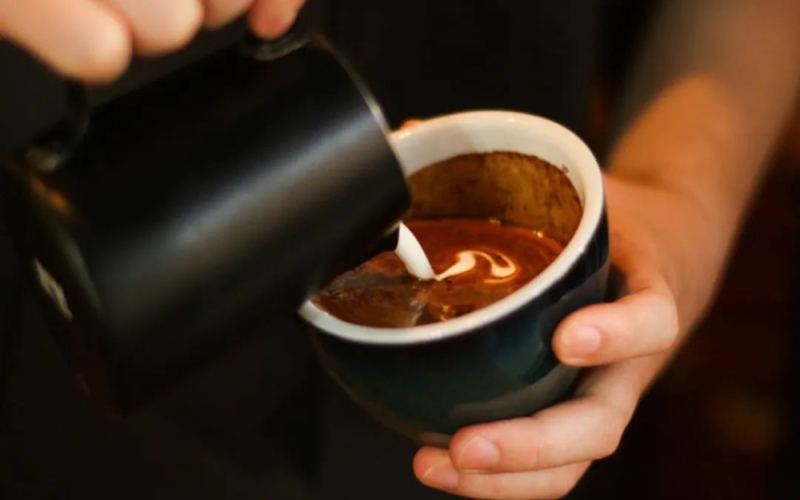
Mocha coffee was once a classic menu item alongside lattes and cappuccinos in Italian-style coffeehouses, and a favorite of many coffee lovers. However, many specialty coffee shops today no longer feature mocha as a main offering, and some have even removed it from their menus, replaced by products more favored by today's consumers, such as dirty coffee and oat milk lattes. Is mocha really about to disappear from coffee shops? Actually, that is not the case—while traditional mocha is no longer popular, its variant "salted mocha" has risen rapidly and become a hot product in the coffee world in recent years. This article will provide a complete guide to making salted mocha, from ingredient preparation and coffee bean selection to both hot and iced versions, and explain why it is more popular than traditional mocha. [more…]

Salted Mocha Coffee Recipe Tutorial: A Detailed Guide to Hot and Iced Versions, Plus How Mocha, Latte, and Cappuccino Differ
Mocha coffee has evolved from the classic version into many new forms, among which the "salted mocha" has rapidly gained popularity in the coffee world in recent years. Simply adding a pinch of salt to the traditional mocha recipe can make the sweetness more prominent and the aroma more vivid, and the interwoven salty-sweet flavor is deeply loved by modern consumers. In this article, Front Street will provide a detailed introduction to two methods of making salted mocha—hot and iced—including ingredient preparation, coffee bean selection suggestions, specific ratios, and operating steps. It will also explain the differences between mocha latte and cappuccino, helping coffee enthusiasts easily recreate this beverage at home. [more…]
A Complete Guide to the World's Twelve Great Specialty Coffee Regions: The Flavor Geography from Colombia to India
The flavor code of coffee is often hidden in the land where it grows. From the Andes in South America to the highlands of Africa, from the Caribbean islands to the archipelagos of Asia, each producing region shapes an unrepeatable landscape in the cup through its unique climate, altitude, and processing methods. This article will take you on a visit to twelve globally recognized high-quality coffee origins—Colombia's balanced smoothness, Ethiopia's wild wine-like aroma, Jamaica Blue Mountain's scarce legend, Yemen Mocha's complexity and variability, as well as the distinctive personalities of Kenya, Indonesia, Hawaii, and other places. Whether you are a beginner pour-over enthusiast or a seasoned player looking for your next bag of beans, this origin guide can help you build a clearer flavor coordinate system. Front Street Coffee will also accompany you in understanding the origins while finding the cup that suits you. [more…]

Italian Milk Coffee | What Is Mocha Coffee? How Do the Ratios Differ Between Mocha and Latte Preparation Methods? Which Tastes Better at Starbucks, Mocha or Latte?
Many people think that mocha coffee and latte coffee are about the same. Although both belong to Italian coffee and use Espresso and milk, they still differ greatly in taste and preparation ratios. Today Front Street Coffee will talk about the differences between mocha coffee and latte coffee. Latte originates from the Italian word L [more…]
Honduras Lychee Orchid Coffee Bean Flavor Analysis: Mocha Estate Barrel Fermentation Process and Pour-Over Roast Review
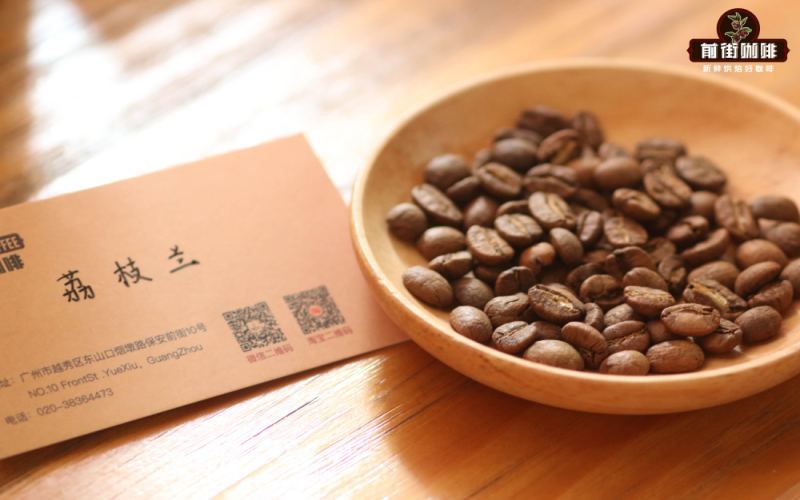
Located in Central America, Honduras has become an important origin for specialty coffee thanks to its mild tropical climate and abundant rainfall. This article focuses on the Honduras Moka Estate Lychee Brandy coffee beans launched by Front Street Coffee, offering a detailed introduction to the terroir conditions of Marcala in its origin, the characteristics of the Caturra and Catuai varieties, and the unique processing method that combines refined washing with brandy barrel fermentation. By comparing the cupping and pour-over performance of two roasting curves, it provides an in-depth analysis of the layered changes in this bean's flavors—ranging from floral notes, berries, and lychee to brandy aroma and dark chocolate—offering coffee enthusiasts a complete reference for roasting and brewing. [more…]
A Comprehensive Guide to Honduran Coffee Regions: Barrel-Fermented Flavors, Six Major Regions, and Moka Estate's Sherry and Lychee Orchid
Although Honduras is not as renowned as Ethiopia, it has carved out a place for itself in the specialty coffee world with its distinctive barrel-aged processing method. Sherry and Litchi Orchid, these two beans carrying the aromas of whiskey and brandy, come precisely from the Moka Estate in Marcala, Honduras. This article will give you a comprehensive understanding of Honduras's geography and climate, the distribution of its six major coffee regions, its main coffee varieties, as well as the flavor characteristics and brewing parameters of the two barrel-fermented beans recommended by Front Street Coffee, allowing you to grasp the charm of this Central American coffee-producing country in one go. [more…]
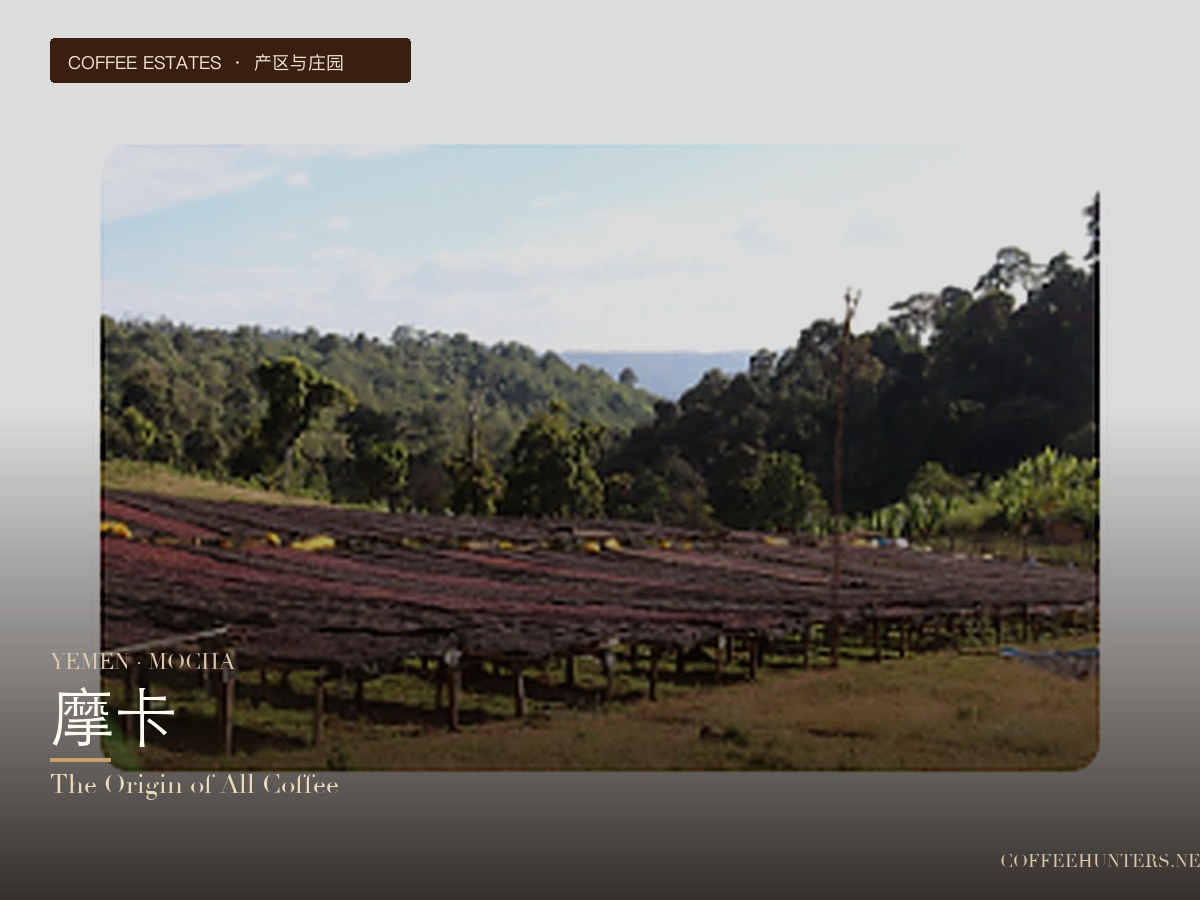
Yemen · Mocha: The Origin of Coffee and Ancient Flavors
Yemen is the birthplace of commercial coffee cultivation, and the port of Mokha was once the starting point of the global coffee trade. This article takes you through the long history of Yemeni coffee, its unique processing methods, and how it performs in the cup. [more…]
Analyzing the Flavor Differences Between Starbucks Mocha and Latte, with a Complete Front Street Coffee Hot and Iced Mocha Tutorial
Mocha and latte both belong to the family of Italian milk coffees, and neither can do without espresso and milk, yet the two are completely different in formula structure and flavor direction. A latte places more emphasis on the balance between the coffee beans' own flavor and the fresh sweetness of the milk, while the core of a mocha lies in the intensity of the chocolate flavor and the control of the sweet-to-bitter ratio. Starting from Front Street's production experience, this article first clarifies the essential differences between the two, then takes a deeper look at common mistakes in making mocha, and separately provides detailed recipes, steps, and ingredient-adjustment logic for hot mocha and iced mocha, helping coffee lovers, on the basis of understanding the principles, make a cup of mocha that is rich in chocolate, sweet without being cloying, and clearly layered, while also retaining the bean-selection and preparation reference for the latte portion. [more…]
Blue Mountain, Mandheling, and Mocha: An Analysis of the Flavor Characteristics and Origin Histories of Three Classic Coffees
In the world of specialty coffee, Jamaica Blue Mountain, Indonesian Mandheling, and Yemen Mocha have always been three peaks that cannot be overlooked. Each of them carries unique terroir conditions and processing methods, and also shapes distinctly different aromas and flavors. Front Street Coffee has shared these three classic coffees many times. This article will sort through their origins and key identification points one by one, from producing region environment, variety characteristics, processing methods, to flavor performance, helping coffee lovers more systematically understand why they have remained popular for so long. [more…]
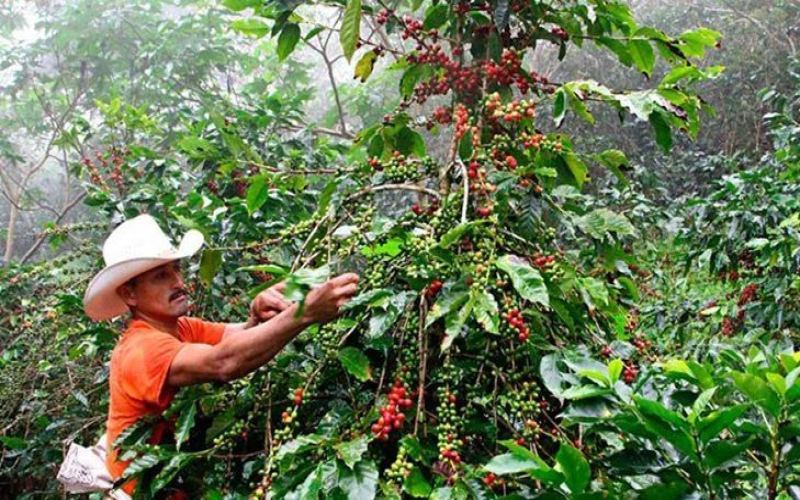
The Rise of the Honduran Coffee Industry and a Complete Guide to Front Street Honduran Coffee Beans: Pour-Over Parameters, Water Temperature, and Ratios
Honduras is an important coffee-producing country in Central America. Although it started late, it caught up quickly: by 2011 its output had surpassed Guatemala's, and today it ranks firmly among the world's top ten coffee producers. This article will provide a comprehensive overview of Honduran coffee from the perspectives of its historical development, producing regions, variety characteristics, grading standards, and processing methods. It will also combine the practical brewing experience of several Honduran coffee beans from Front Street Coffee to share pour-over parameters and water-temperature ratios in detail. Whether you want to understand the regional flavors of Honduran coffee or are looking for practical pour-over solutions, this article can provide valuable reference. [more…]
The Complete Guide to the Bourbon Coffee Family: Flavor Profiles and Signature Beans of Red Bourbon, Yellow Bourbon, and French Mission Bourbon
Bourbon is an ancient coffee variety that mutated from Typica, and together with Typica, it stands as one of the oldest coffee varieties still in existence. It originated from Yemen Mocha, was later transplanted by the French to Bourbon Island (present-day Réunion), from which it got its name, and then spread to Brazil, Central and South America, and various parts of Africa. Bourbon coffee is known for its round bean shape, excellent taste, red-wine-like acidity, and sweet lingering finish, making it a frequent winner in American specialty coffee cupping competitions. This article will systematically sort out the origins, spread, and flavor differences of the three main types—Red Bourbon, Yellow Bourbon, and French Mission Bourbon—and, in combination with three representative beans from Front Street Coffee—Brazil Cerrado Red Bourbon, Brazil Queen Farm Yellow Bourbon, and Kenya Hania Estate French Mission Bourbon—introduce their respective roasting recommendations, brewing parameters, and flavor performance, helping coffee lovers gain a comprehensive understanding of the charm of the Bourbon family. [more…]